
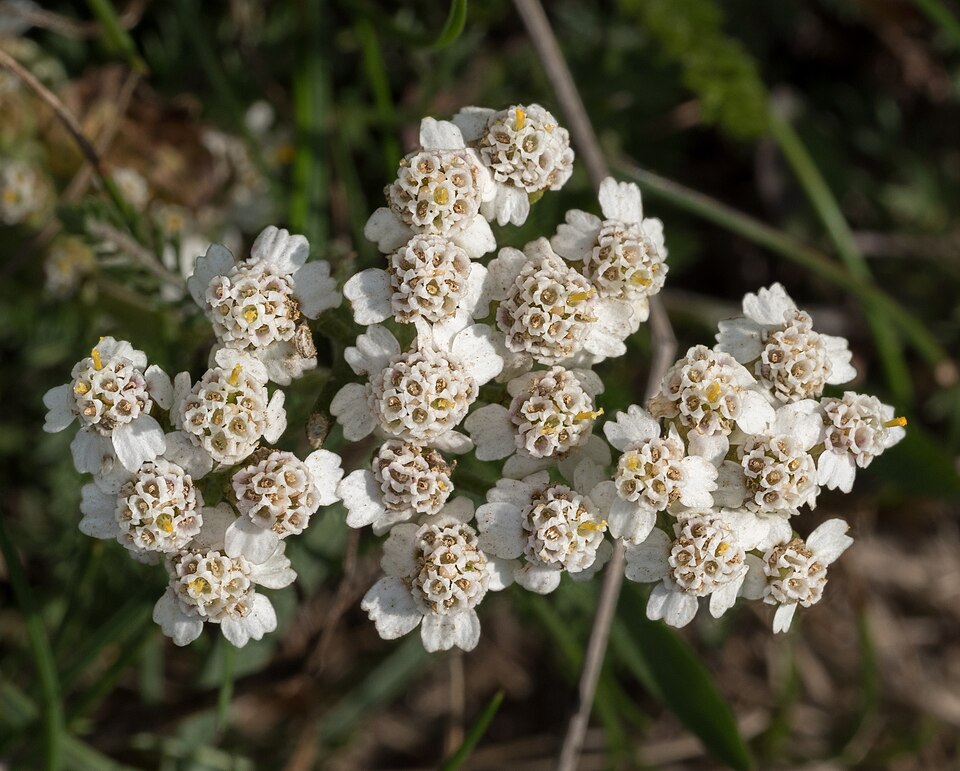
Yarrow
Achillea millefolium
Yarrow is a tough, sun-loving wildflower with soft, feathery leaves and flat-topped clusters of tiny white (sometimes pink) flowers.
⚠ Dangerous look-alikes
Photo: Rhododendrites, CC BY-SA 4.0, via Wikimedia Commons

A field guide to herbs
Traditional uses, what the research really shows, and clear safety notes, written for curious beginners in North America.
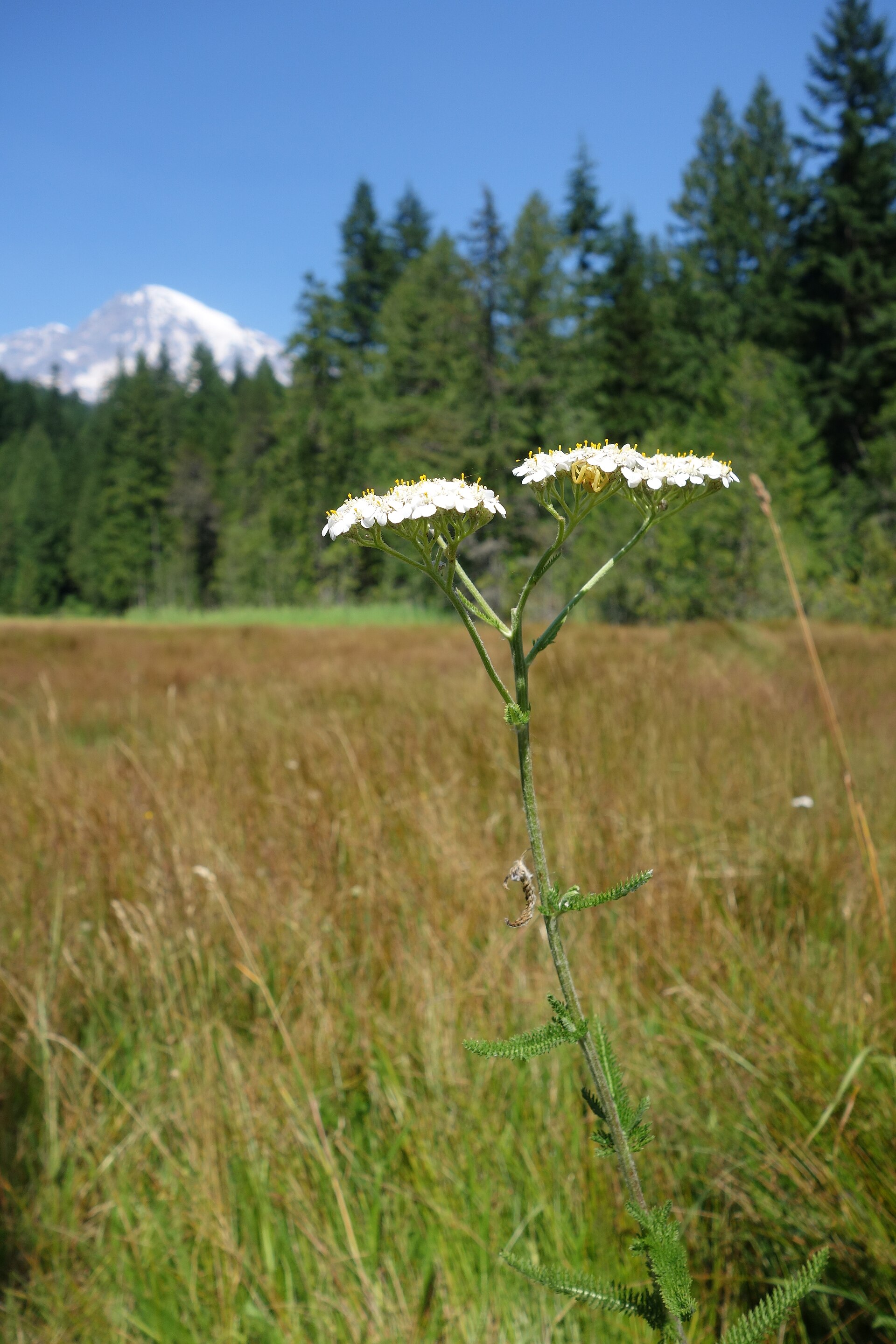
Achillea millefolium
Yarrow is a tough, sun-loving wildflower with soft, feathery leaves and flat-topped clusters of tiny white (sometimes pink) flowers.
⚠ Dangerous look-alikes
Photo: Rhododendrites, CC BY-SA 4.0, via Wikimedia Commons
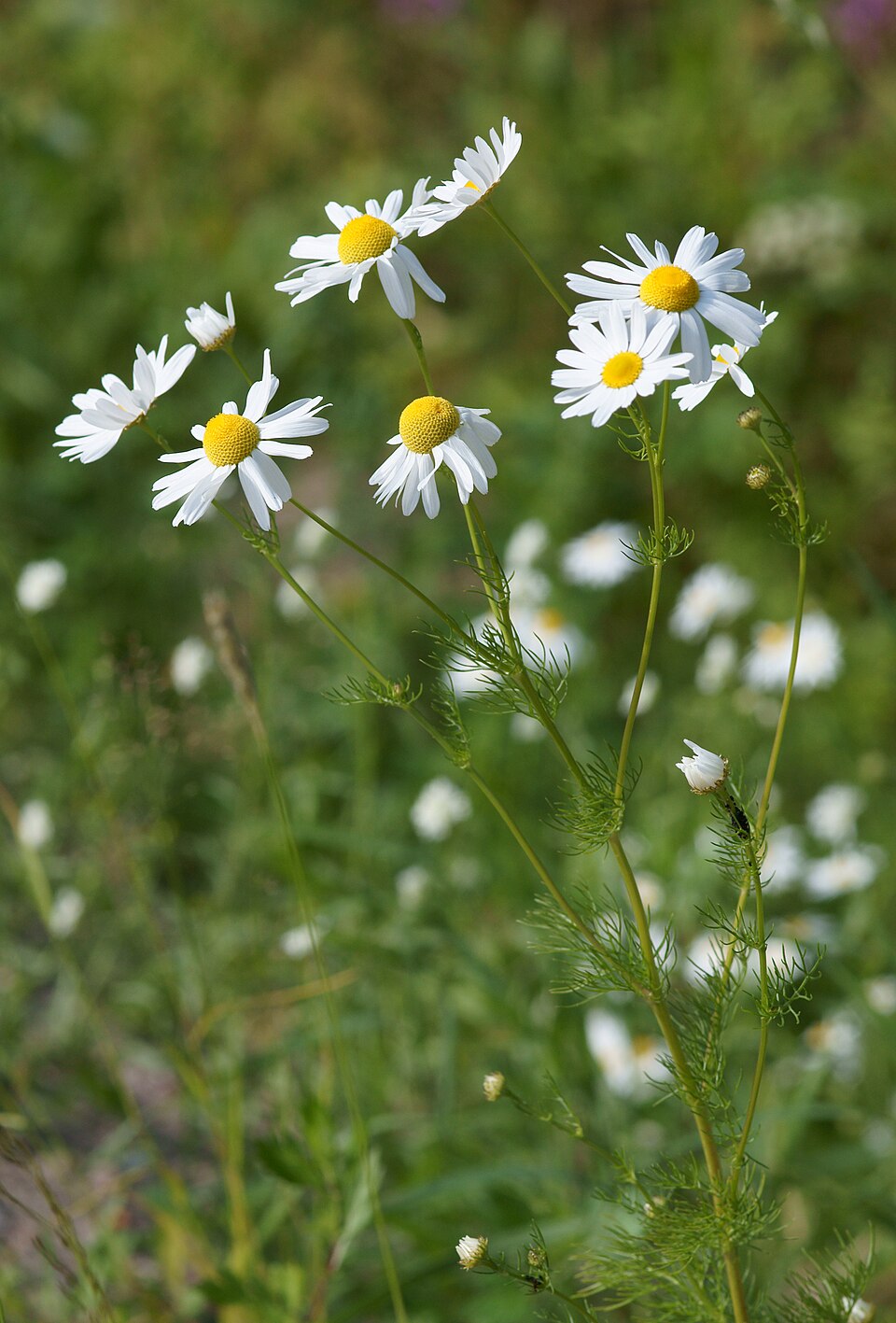
Matricaria chamomilla
German chamomile is a small, sweet-smelling annual with feathery leaves and little daisy-like flowers that have white petals and a domed yellow center.
Safety note
Photo: kallerna, CC BY-SA 3.0, via Wikimedia Commons
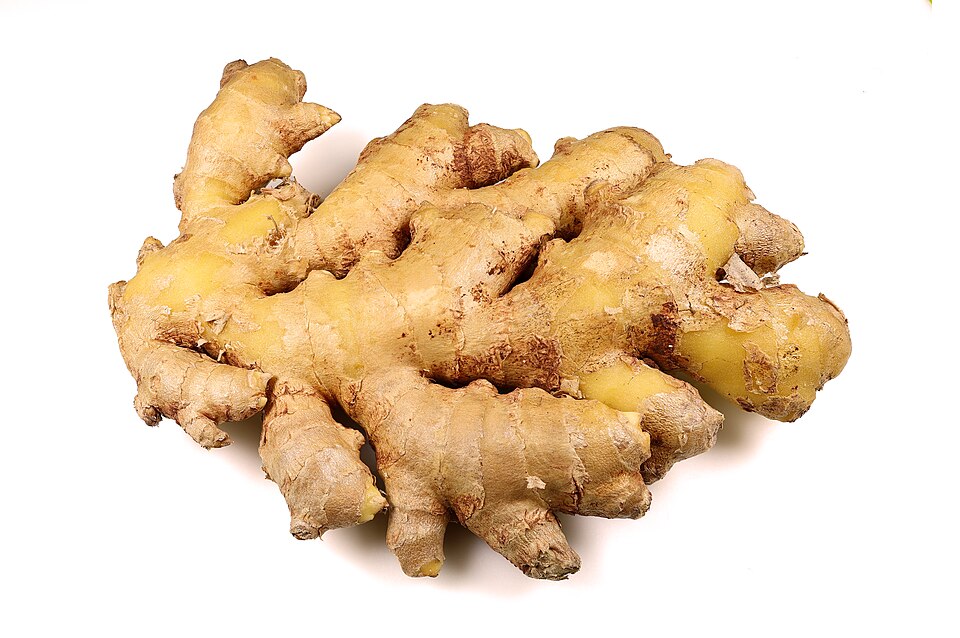
Zingiber officinale
Ginger is a tropical plant native to the warm parts of Asia.
⚠ Dangerous look-alikes
Photo: Sanjay Acharya, CC BY-SA 4.0, via Wikimedia Commons
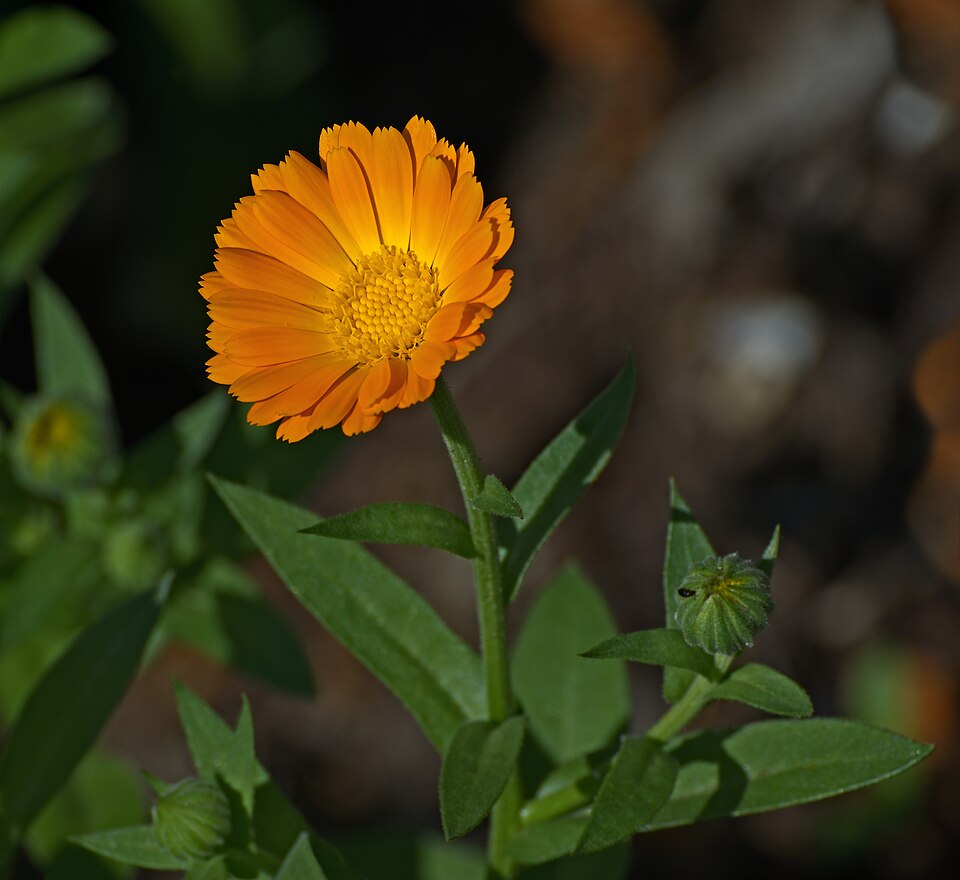
Calendula officinalis
Calendula is an easy, cheerful annual with bright orange or yellow, daisy-like flowers .
Safety note
Photo: Ввласенко (Vvlasenko), CC BY-SA 3.0, via Wikimedia Commons
Every claim links to a numbered source we opened: NIH, EMA monographs, university extension services and peer-reviewed research.
We keep traditional use and scientific evidence strictly separate, and say plainly when evidence is weak.
Allergies, interactions, pregnancy and dangerous look-alikes are flagged at the top of every profile.


